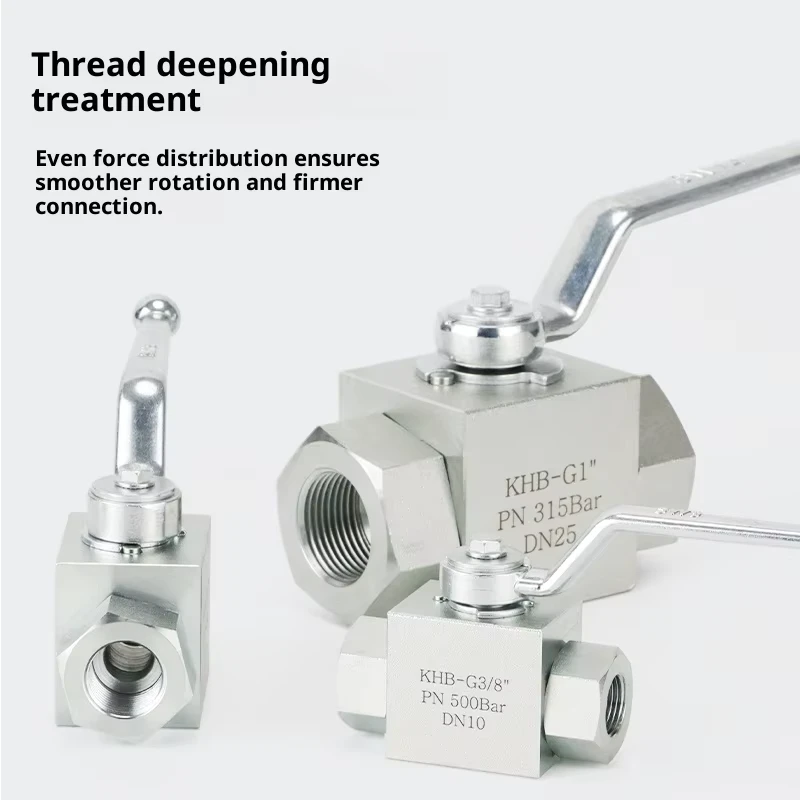

Compare electric, pneumatic, and manual ball valve assemblies by control method, material, connection, and integration needs.
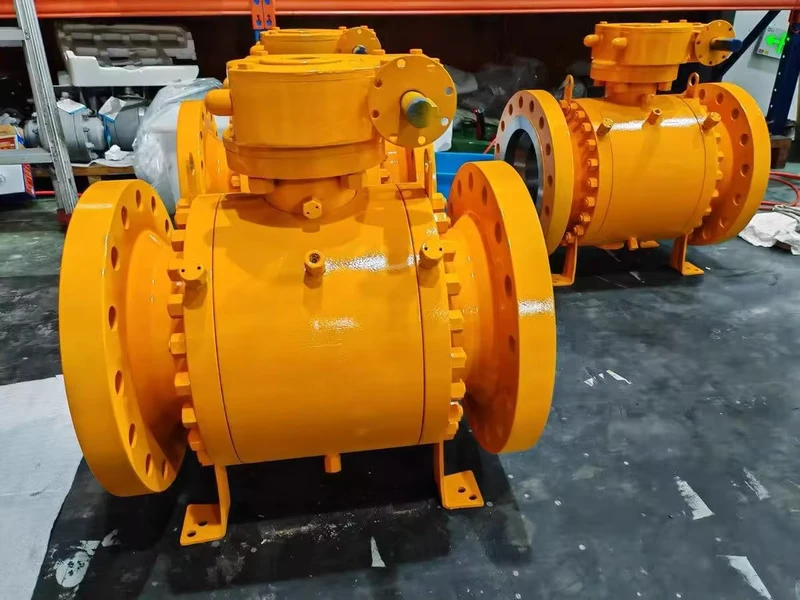
Valve procurement is not only about diameter and pressure rating. The actuation method, body material, connection format, sealing system, and control environment all influence installation efficiency and long-term operation. For importers and project buyers, defining these variables early makes supplier discussions clearer and reduces specification mismatches.
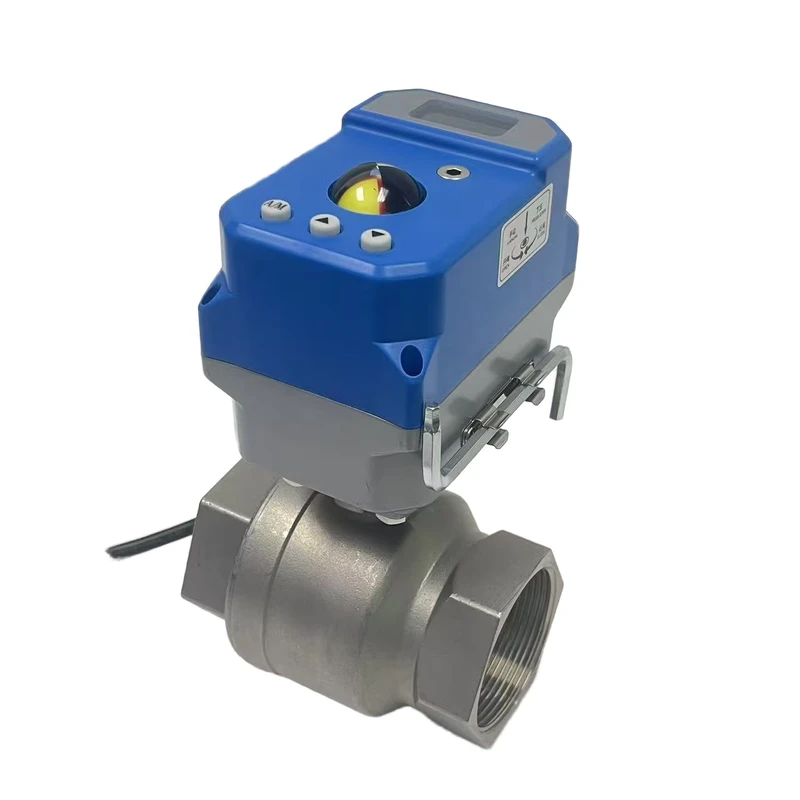
Automation for different control environments
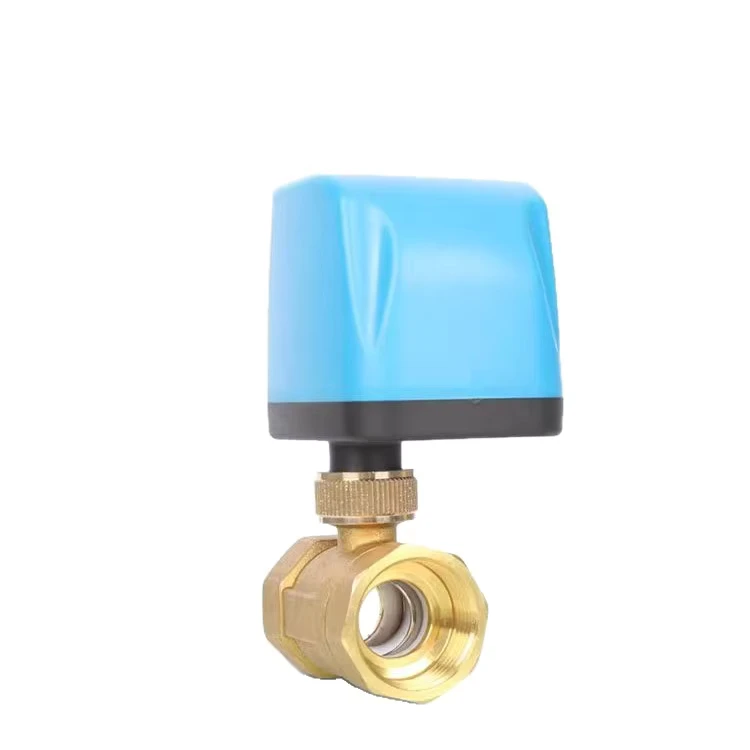
An electric modulating valve is suitable when a system requires proportional regulation rather than simple open-close control. This stainless steel model combines an AC220V actuator with a 4–20 mA control signal, NPT connection, and EPDM sealing. Its listed operating range of 0–80°C supports water-control applications where remote adjustment and repeatable positioning are priorities.
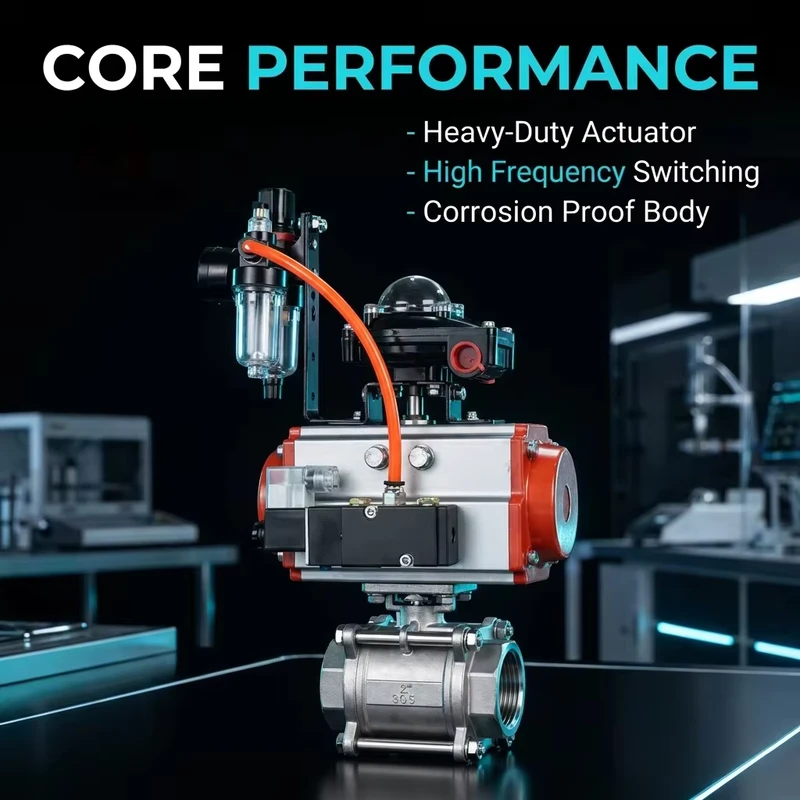
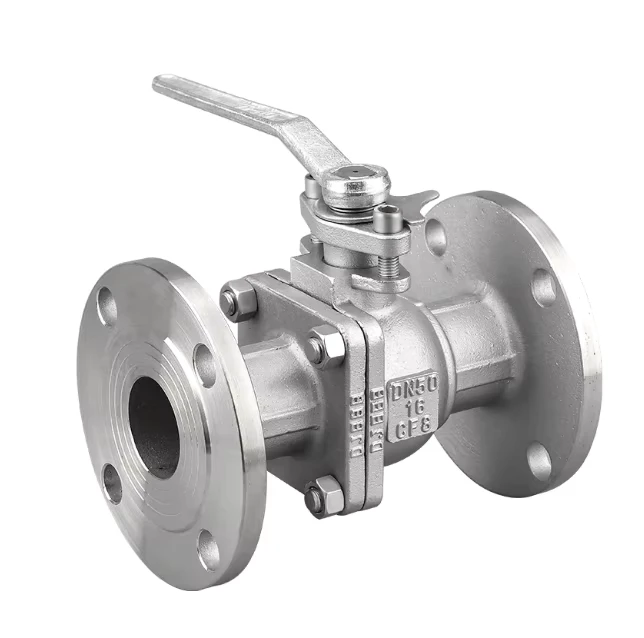
Where compressed air is already available, the pneumatic three-piece valve offers another practical route to automation. It features a 304 stainless steel body, NPT threaded connection, normally closed operation, and sizes from DN15 to DN50. The three-piece construction can also simplify access during servicing. PN10/16 working pressure and customizable size and color options make it relevant to distributors serving varied water-system requirements.
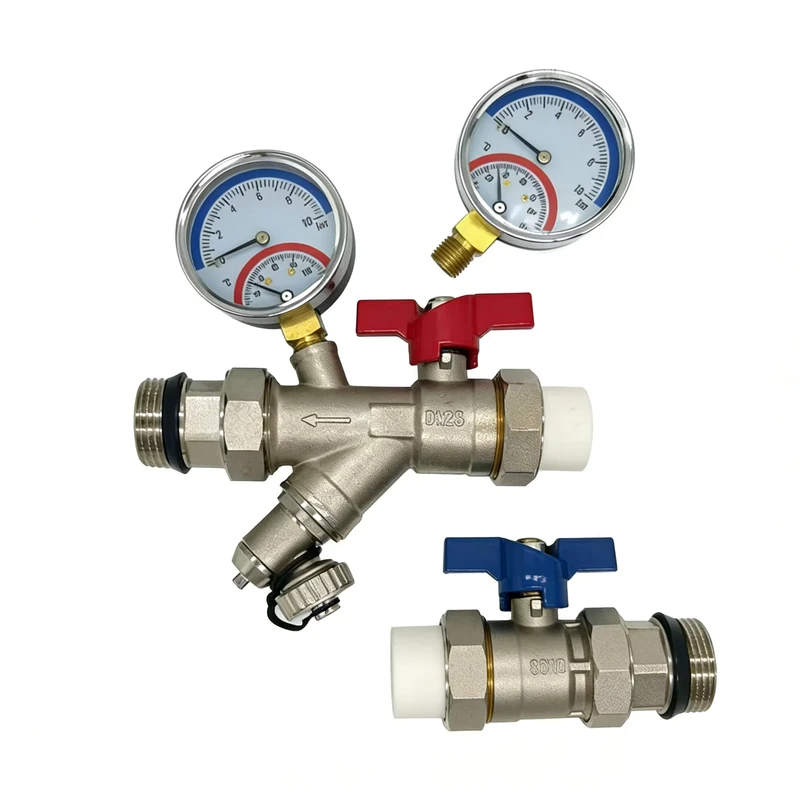
A compact option for heating distribution
Not every installation needs powered actuation. The manifold valve kit combines manual flow isolation with a pressure gauge for underfloor heating and water distribution. Its nickel-plated brass construction, size, EPDM seal, 200 psi operating pressure, and -10–95°C temperature range support compact system integration. Male-threaded and PPR heat-fusion connection options help accommodate different piping practices.
For OEM, ODM, wholesale, or project purchasing, specifications should identify the medium, control signal, available power or air supply, connection standard, temperature, pressure, and required customization. Share these details with your inquiry to discuss suitable valve construction, packaging, samples, and order requirements.