Compare floating, three-piece, and four-way pneumatic ball valves to build a practical sourcing range for water and general fluid control.
Importers and project buyers rarely need one universal valve. A stronger sourcing plan separates straightforward shutoff duties from compact automation and multi-directional routing. Building a focused ball valve range around these functions can simplify quotations while giving distributors useful options for different piping layouts.
Start with the line function
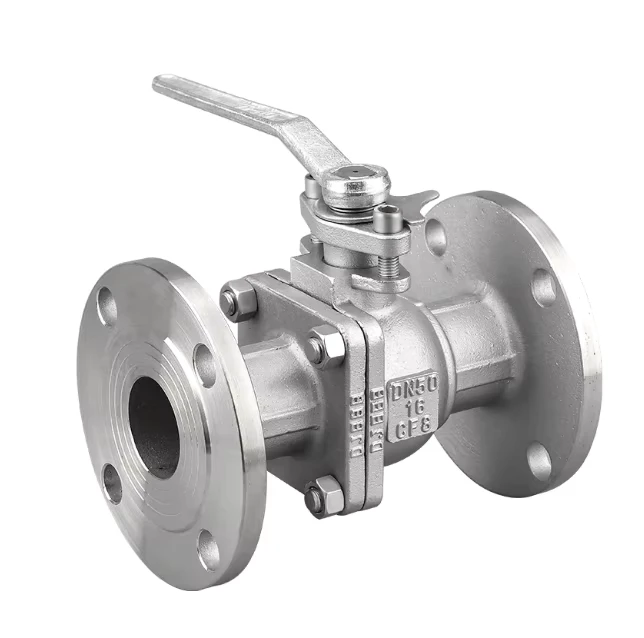
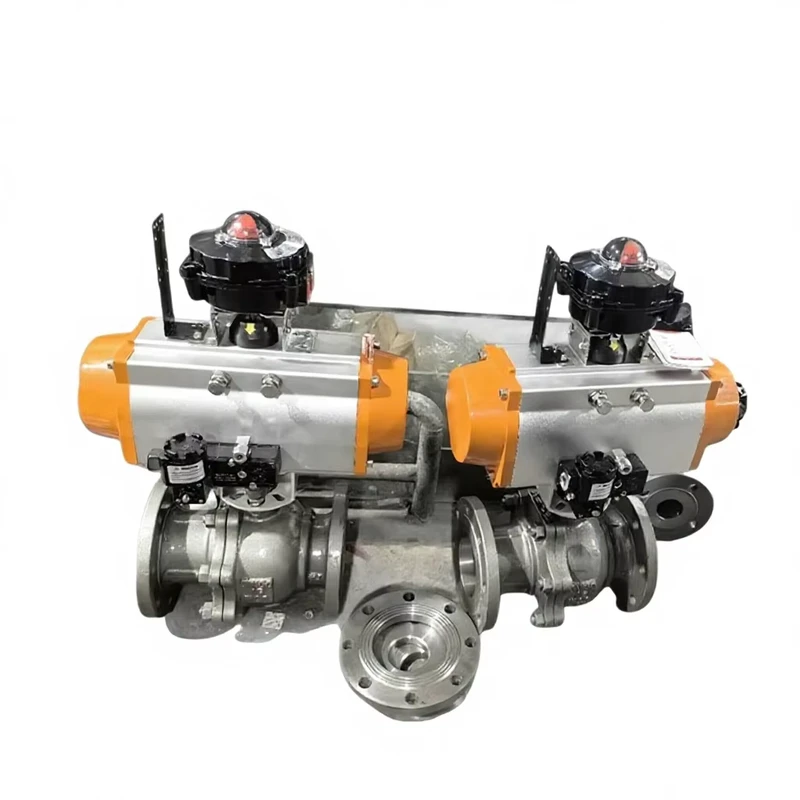
For water supply and drainage systems, the pneumatic floating valve offers a triple-port configuration with pneumatic operation. Available connection sizes include 25, 40, 50, 65, 80, 100, 125, and 150. Its listed room-temperature and atmospheric-pressure service conditions make operating data an important point to confirm before selection, especially when the medium may include water, oil, or liquefied gas.
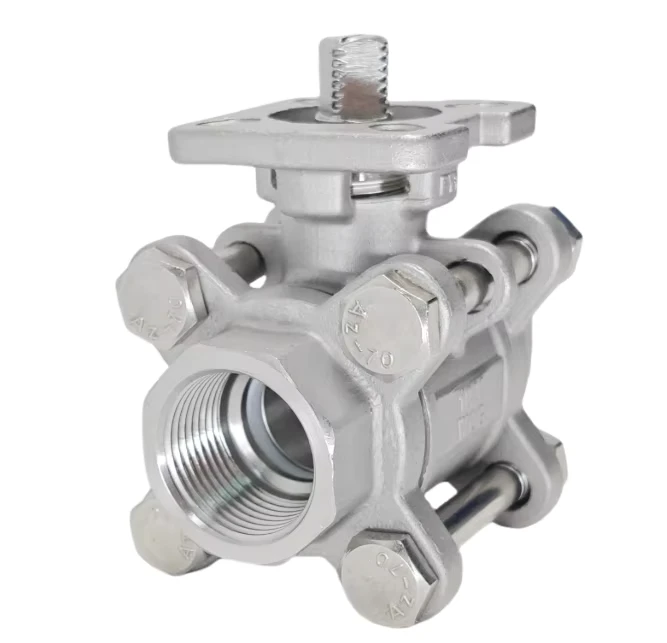
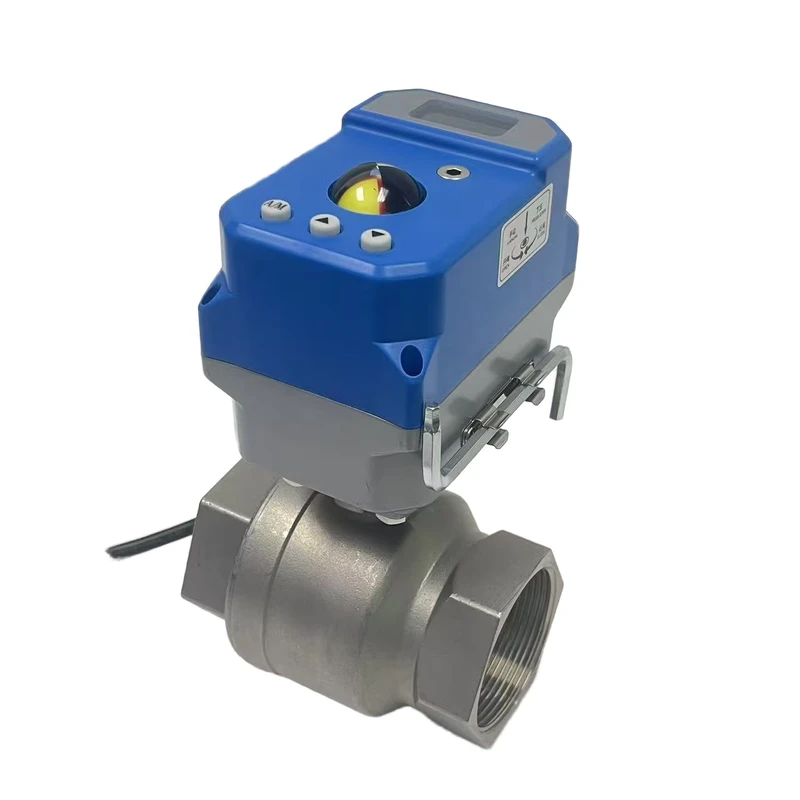
Where compact threaded installation and actuator mounting are priorities, the 316 three-piece valve provides a practical alternative. Its stainless steel body, internal threaded connection, and high platform support pneumatic or electric automation. The three-piece construction can also be attractive for buyers who value accessible maintenance in general water-service assemblies. Commonly requested options include 1/2-inch and 1-inch sizes.
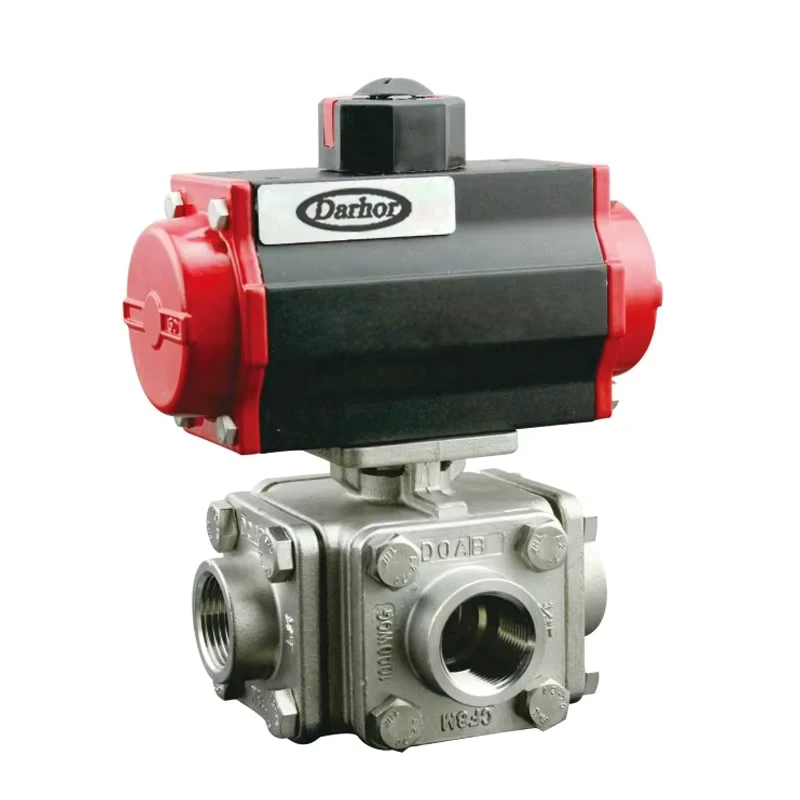
Add routing capability
More complex circuits may require a four-way pneumatic valve. This double-acting design uses a 304 stainless steel body and PTFE sealing, with a stated DN15–DN65 size range and PN1.6–4.0 MPa working-pressure range. It is intended for media such as water, oil, and steam, subject to final confirmation of temperature, pressure, port arrangement, and actuator requirements.
Before requesting a quotation, specify the medium, line size, connection standard, pressure, temperature, flow path, actuator type, and required accessories. Clear technical details help suppliers recommend the appropriate configuration and prepare an efficient commercial offer for distribution, OEM, or project procurement. Contact us to discuss specifications, quantities, documentation, and delivery requirements.